How New Officers Apply Academy Skills on Patrol
A new officer may know the law and have practiced procedures in training, yet still need guidance applying those skills during a real call. A field training officer program is one way agencies pair newer personnel with experienced officers for supervised, practical learning. The transition develops judgment, communication and accurate documentation. The discussion here describes professional field-training principles, without asserting a particular schedule or current local program structure.
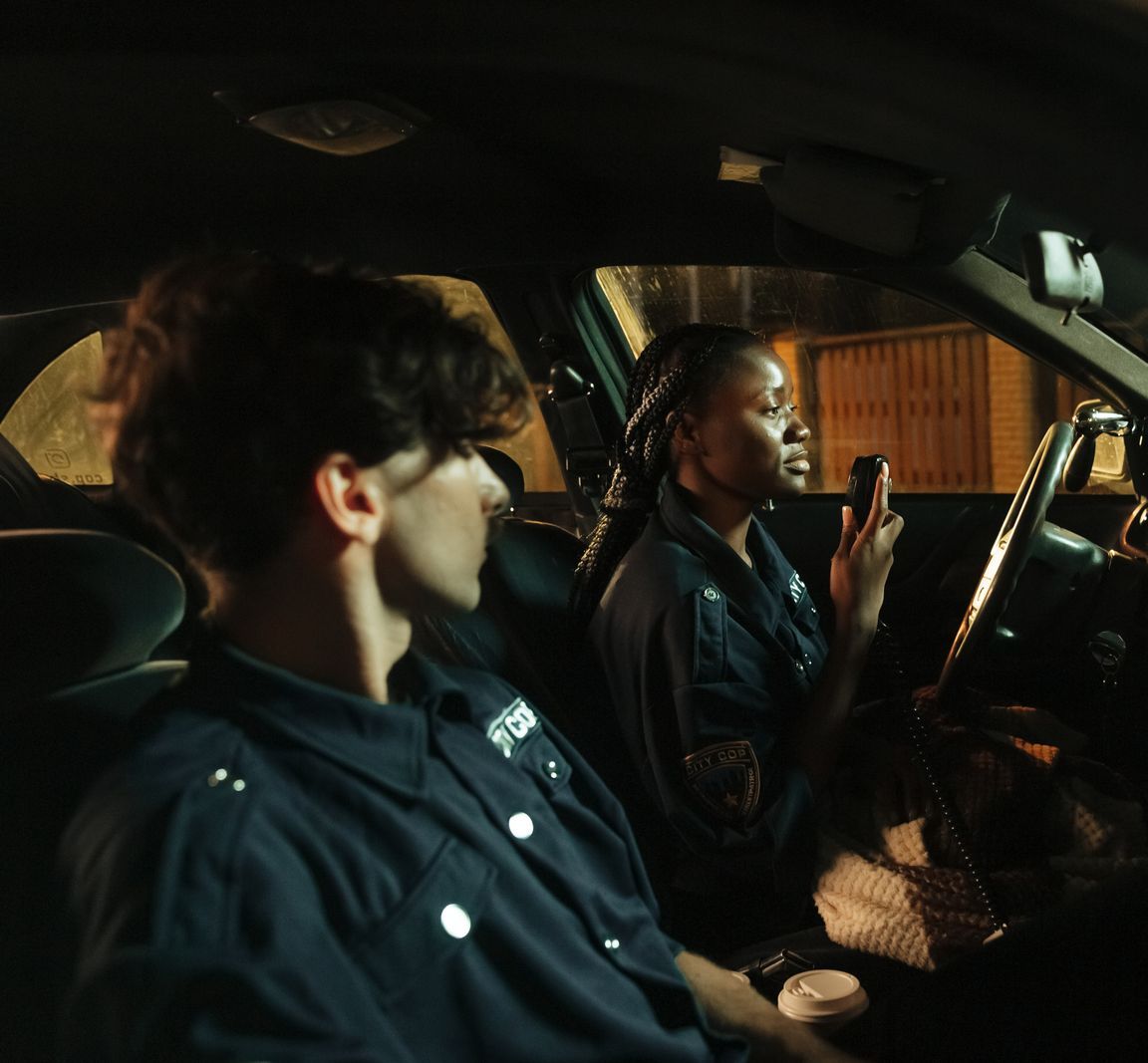
From Classroom Knowledge to On-Scene Decisions
Police academies introduce foundational legal standards, safety practices and communication skills in a structured setting. On patrol, an officer must apply those foundations while observing a live situation, hearing different accounts and following department policy. A training officer can watch how a recruit gathers information and discuss alternatives afterward.
For example, an officer responding to a crowded area should first notice possible hazards and who may need immediate help. At a quieter call, the central task may be asking clear questions before drawing conclusions. Training is designed to develop these judgments under supervision. Academy graduation alone does not establish readiness for every situation.
Practicing the Work Residents Actually See
Residents usually meet patrol officers during ordinary calls: a traffic concern, a report of property damage or a disagreement that needs attention. Learning to respond means more than arriving promptly. An officer must identify the reason for the call, listen to the people present and relay material information accurately to other responders.
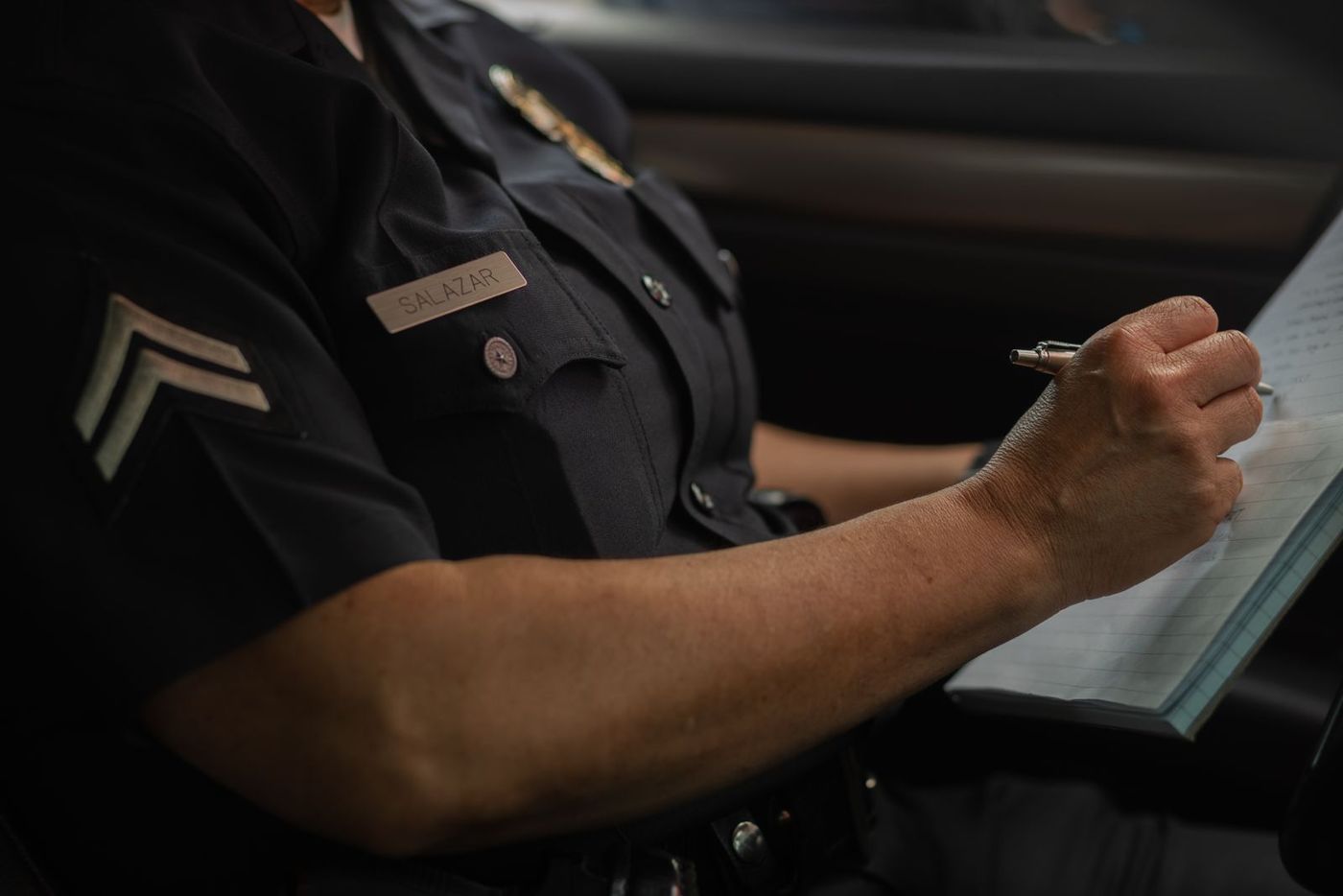
Consider a hypothetical complaint about repeated noise near a residential property. A trainee and supervising officer arrive, speak with the caller and other people involved, check what can actually be observed and explain the next procedural step without making unsupported promises. Later, the trainee prepares a report that separates firsthand observations from what witnesses said. The supervisor can review whether important details are missing.
These skills matter to handling calls for service in our community, where the same patrol shift can involve very different needs. Decisions depend on law, policy and the facts. A useful training discussion asks why one response fit the circumstances and what should be documented for colleagues who may follow up.
Why Feedback Matters Between Calls
Supervised learning makes room to examine a decision while the details remain familiar. The experienced officer can discuss what the trainee noticed, whether instructions were clear and whether the written report reflects the encounter. Useful feedback names a specific behavior rather than attaching a vague label such as “good judgment.”
One question might be whether the trainee confirmed a location before relaying it by radio. Another might concern separating a witness’s statement from an officer’s observation. The next call offers another chance to practice.
An Office of Justice Programs description of field training and practical competencies discusses a Police Training Officer model developed in Reno, Nevada. Its emphasis on problem-solving, communication and report writing illustrates one approach to post-academy development. It does not describe Brigantine’s current training timetable.
Clear Communication Is a Trained Skill
People contacting police may be worried, angry or uncertain about what happens next. An officer needs to listen without losing track of safety, use plain language and give realistic explanations. A supervised patrol discussion can examine whether a question was understandable, whether the officer allowed someone to finish speaking and whether the next step was explained correctly.
De-escalation includes recognizing tension and choosing measured communication where circumstances permit. No technique guarantees an outcome. Respectful treatment also means accounting for different ages, languages and accessibility needs while following applicable procedures.
In June 2020, New Jersey officials outlined training recommendations that included interpersonal communication, practical scenarios and a proposed mandatory field training officer program. That announcement records proposals at the time; it does not itself establish a current local program or guarantee particular practices today.
Readiness Means Judgment, Not Just a Checklist
A checklist can identify tasks to practice, but readiness also involves recognizing when information is incomplete and when assistance is needed. An officer might complete a report accurately yet still need to improve how conflicting accounts are assessed. Another might communicate calmly but require more experience organizing facts before a decision.
The value of field mentoring lies in observing performance across situations and discussing improvements in a way the trainee can use. It may reveal habits worth reinforcing and questions that deserve more supervised practice. Qualification and assignments depend on applicable standards and policy.
We believe residents should understand why applied training, clear communication and thoughtful decisions matter in public safety. Those principles support accountable patrol service without substituting for verified details about any department’s current training arrangements.