How Passengers Can Help Keep a Traffic Stop Safe
When an officer stops a vehicle, every person inside affects how clearly the officer and driver can communicate. People researching what to do when pulled over by police usually find driver-focused advice. Passengers have a different job: stay composed, avoid unexpected movements and understand when an officer is addressing them directly. We offer passengers practical guidance that respects everyone’s rights.
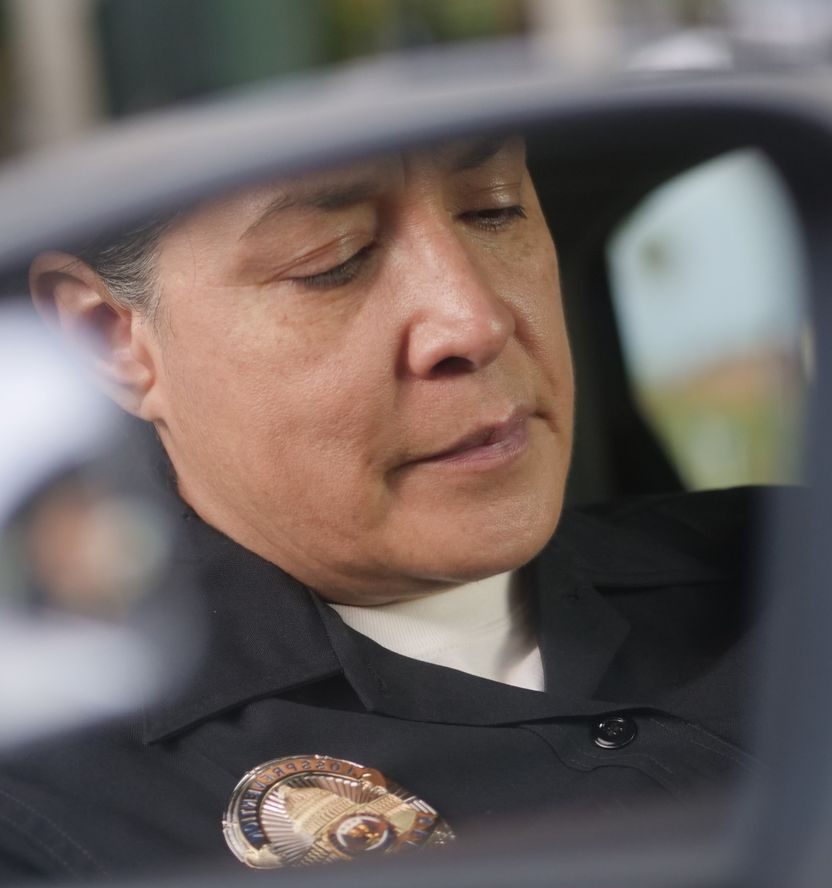
The Driver and Passengers Have Different Roles
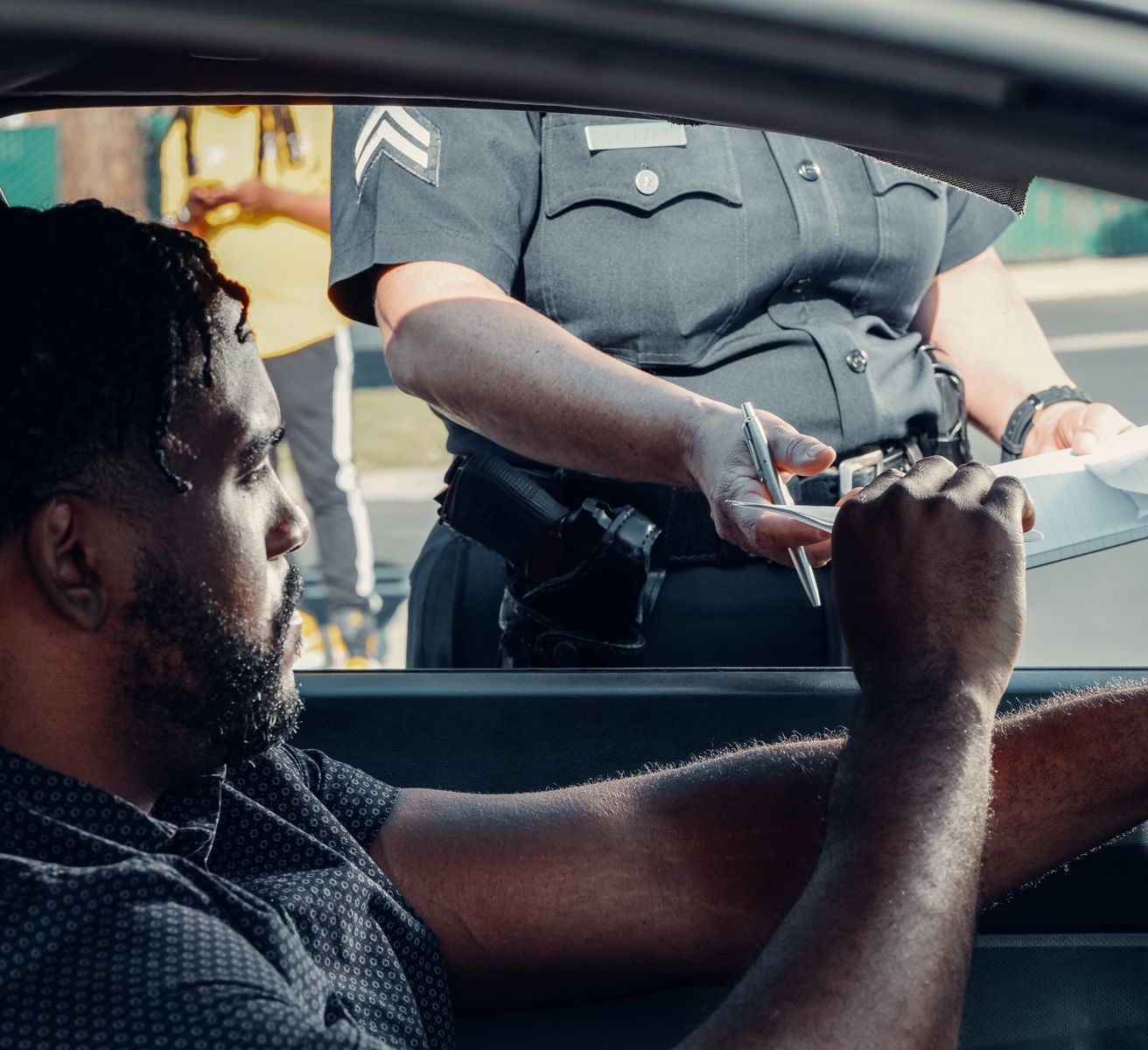
The driver should pull over safely and wait for the officer’s request before retrieving a license, registration and insurance information. A passenger should leave those tasks to the driver unless the officer or driver specifically asks for help. Reaching across the cabin may create confusion.
Passengers do not supply the driver’s credentials. That does not mean an officer can never ask a passenger for identification or issue lawful instructions in particular circumstances. Listen for whom the officer is addressing. If you are unsure whether a request is directed at you, ask calmly rather than assuming.
Simple Actions That Make the Stop Safer
A stop can involve several occupants, bags, phones and conversations at once. Keeping movement predictable gives everyone a clearer picture of what is happening. We recommend four straightforward actions:
- keep your hands visible and avoid sudden reaches toward pockets, bags or vehicle compartments;
- remain seated unless an officer directs you to move or exit;
- lower music and side conversations so instructions are easy to hear;
- tell the officer before retrieving an item you have been asked to provide.
Passengers can help younger children remain seated and reassure them in a quiet voice. If somebody has a hearing, mobility or communication need, mention it plainly when there is an appropriate opportunity. These suggestions help communication without requiring unsolicited private information.
If an Officer Addresses a Passenger Directly
An officer might ask who is sitting in a particular seat, request that a passenger move or direct someone to step outside. Remain calm and follow lawful instructions. If an instruction is unclear, request clarification before moving. Avoid assuming that the rules for a driver’s license and registration automatically apply to every occupant.
New Jersey’s Safe Stop guidance explains that drivers and passengers may decline to answer additional questions after any required documentation has been provided. It also says vehicle occupants must still follow officers’ instructions. Legal obligations depend on the situation. Seek legal advice afterward if necessary.
Questions and Recording During the Stop
A passenger may respectfully ask why the vehicle was stopped or request an officer’s name and badge number. Give the officer a chance to complete immediate traffic-stop tasks. If the driver is handling an explanation or a citation, avoid speaking over that exchange.
New Jersey Safe Stop guidance also permits drivers and passengers to record a stop on a phone if recording does not interfere with following instructions. Hold the device without obstructing the officer or suddenly reaching for it. If an officer asks everyone to show their hands, put the phone down and comply. Recording permission does not excuse interference with an officer’s lawful directions.
If someone asks for a supervisor, the state guidance notes that a supervisor might not be immediately available. Questions that cannot be resolved safely on the roadside can be documented and raised afterward.
If You Want to Follow Up Afterwards
Once the stop ends, write down the date, approximate time, location and what happened while the details are still fresh. Include the officer’s name or badge number if known, the patrol vehicle description and any witnesses. Preserve an original recording if you made one; avoid editing the only copy.
New Jersey residents can file a complaint about a local officer in person, by telephone or in writing. The state also allows anonymous complaints and complaints submitted by another person. No particular finding is guaranteed. If you simply need an explanation of a traffic summons, use the instructions issued with that summons.
Our aim is a safer encounter for everyone. Keep your movements visible, listen carefully and save detailed follow-up questions for after the stop when possible.
General safety information; not legal advice.