What to Do if a Credit Card Was Opened in Your Name
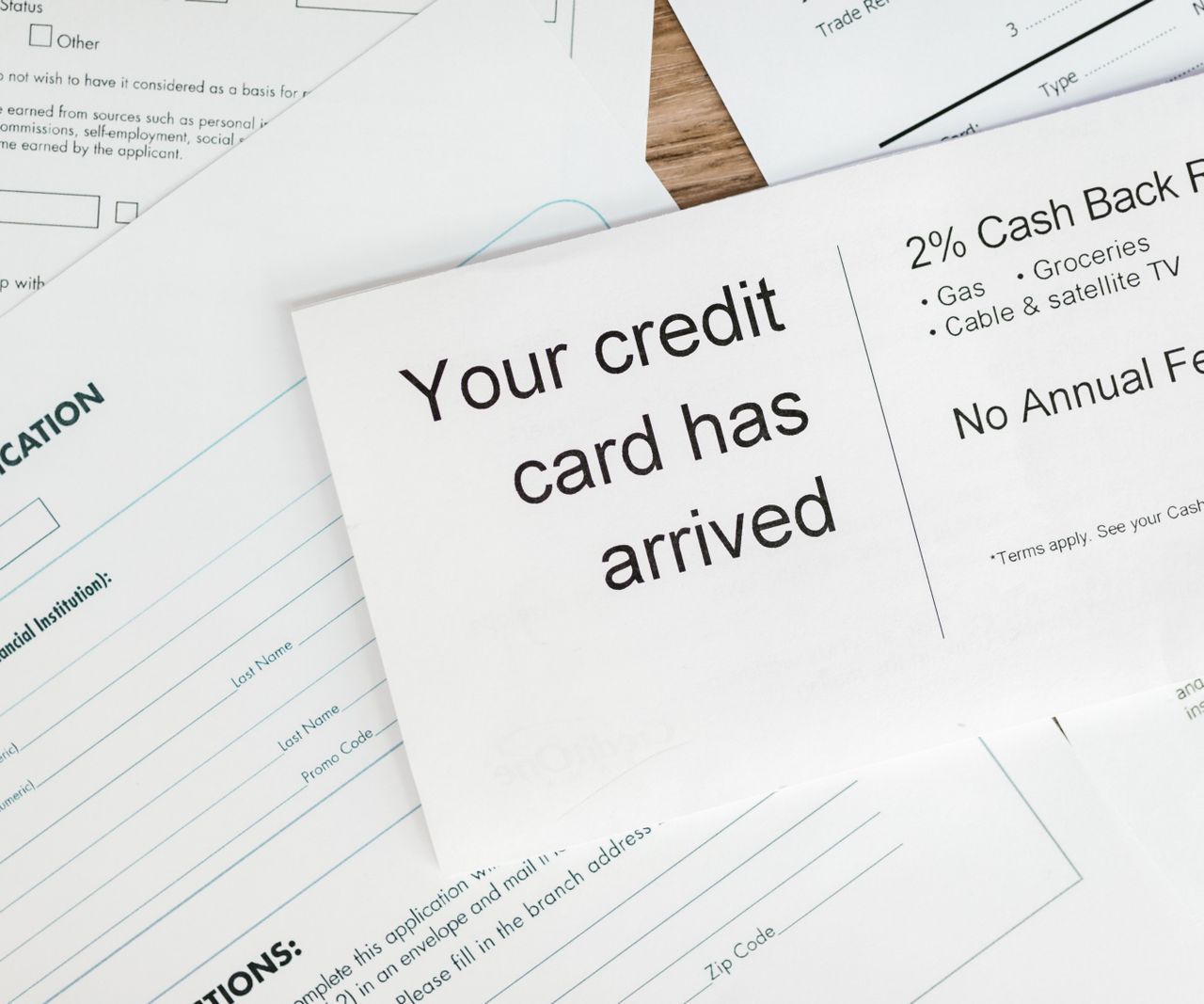
A credit report lists a card you never applied for. Or a bank sends a welcome letter for an account you do not recognize. These can be signs of credit card identity theft: someone may have used your information to open a new account. We encourage residents to act quickly and preserve evidence. This guide addresses new accounts, rather than charges on an existing card.
Contact the Credit Card Issuer First
Find the issuer’s official website independently and use the number listed there to reach its fraud department. Avoid a phone number in the unexpected letter, email or text until you have verified it. Explain that you did not apply for or authorize the account. Ask the representative to restrict or close the fraudulent account, identify any transactions and explain how to obtain written confirmation.
Record the date, representative’s name and reference number. Ask how to submit identification securely. If you have a collection notice, explain that you dispute the debt.
File an FTC Report and Secure Your Credit
The Federal Trade Commission provides identity theft recovery steps that begin with contacting affected companies, reporting the theft and checking your credit. At IdentityTheft.gov, describe the account and create an FTC Identity Theft Report and recovery plan. Save copies of the documents and any letters the service generates.
Next, consider a fraud alert or credit freeze. A fraud alert instructs prospective creditors to verify your identity; requesting one at a major credit bureau requires that bureau to notify the other two. A freeze generally prevents prospective lenders from accessing your report until you lift it. You must arrange a freeze separately with Equifax, Experian and TransUnion. Both are free.
Obtain current reports from all three bureaus through AnnualCreditReport.com, where free weekly online reports are available. Check for other unfamiliar accounts, addresses or inquiries. Mark the disputed entries and preserve dated copies. Examine the report, rather than a credit score.
Dispute the Account and Keep Proof
Dispute the fraudulent account with each credit reporting company showing it and with the issuer that supplied the information. Identify the account precisely, say why it is not yours, and submit supporting evidence through the recipient’s verified dispute process. An FTC Identity Theft Report and proof of identity can support a request to block identity-theft information under applicable federal procedures.
Keep originals, and ask each recipient how it will report its findings. Because credit card identity theft can affect several records, a filed dispute does not guarantee an instant deletion or the same result at every bureau. Review subsequent reports to see whether the entry, payment history and balance reflect the correction. If needed, follow the recipient’s further-dispute instructions.
Report the Incident to Police in New Jersey
New Jersey law gives identity-theft victims a local reporting route. Under N.J.S.A. 2C:21-17.6, a person who reasonably believes or suspects identity theft can report it to the local law enforcement agency where they reside, even when another jurisdiction may investigate. The state’s identity-theft reporting guidance confirms that police must take a report in those circumstances.
When contacting your local agency, explain that someone opened an account using your identity. Have identification, the suspicious account information, relevant notices and your FTC report available if you have them. Keep the incident or case number and ask how to request a copy of the report. A police report documents your complaint without guaranteeing an investigative outcome.
Keep a Simple Recovery Record
The recovery process may involve several separate organizations. Use one private file or notebook to keep the sequence clear. A short checklist can prevent repeated explanations and missed follow-ups:
- dates of calls, names of representatives and case numbers;
- copies of issuer letters, FTC and police reports;
- bureau disputes, confirmation messages and response dates;
- the next action due and the person responsible for it.
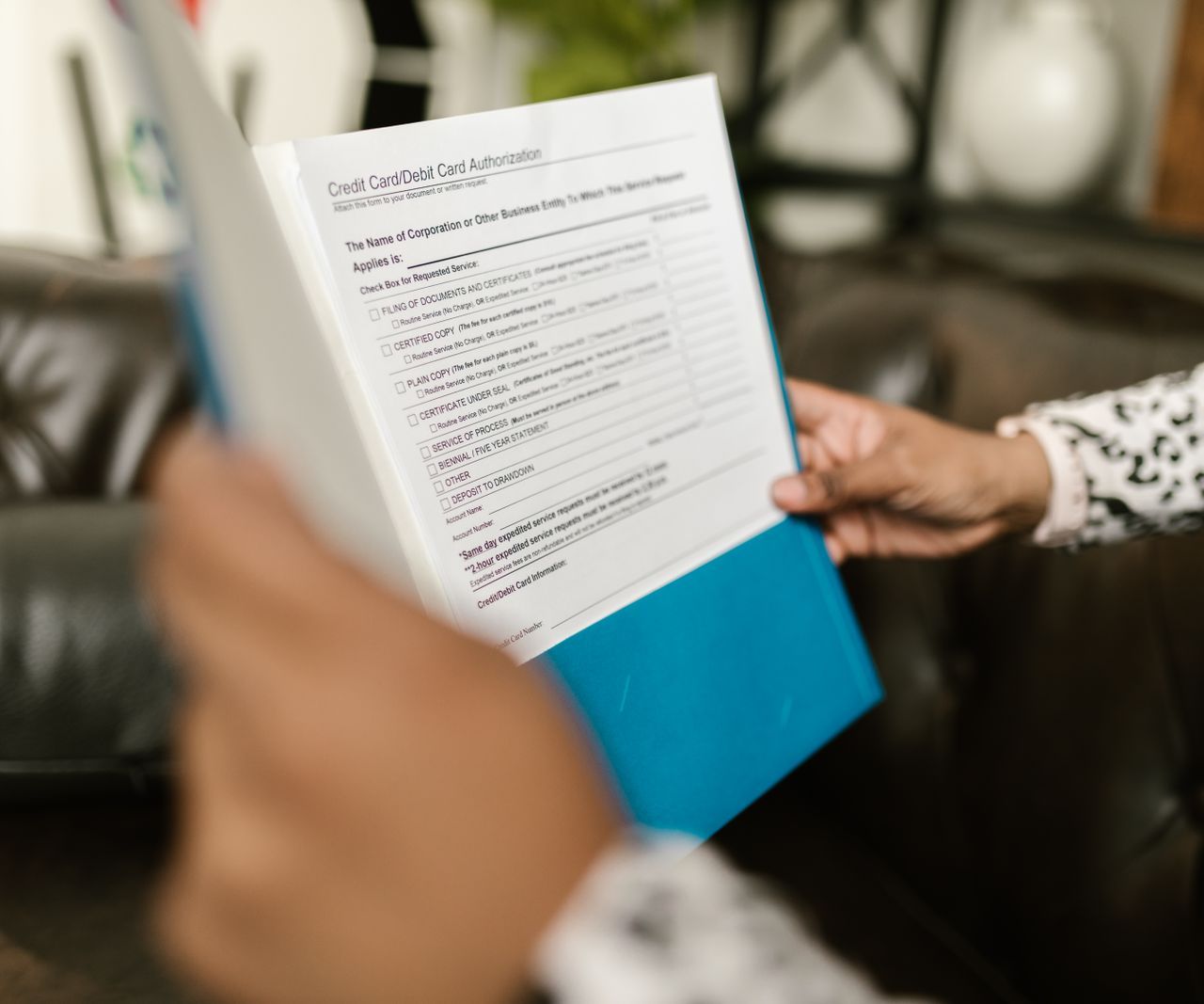
Secure these records and review your credit again. Stay alert to other financial scams that exploit the same stolen information.
Is an unfamiliar charge the same as a new account? No. An unfamiliar charge concerns activity on an account you already have; a newly opened fraudulent account may appear as a separate trade line on your reports. Describe the situation clearly to the issuer.
Do I need to contact local police? New Jersey permits local reporting of reasonably suspected identity theft. Save the case number.
We encourage Brigantine residents to start with the issuer, report the theft to the FTC and document what they provide to local police.
For general information only; not legal advice.